
Janji Brings Cooling Vibes with its All-New City Collection
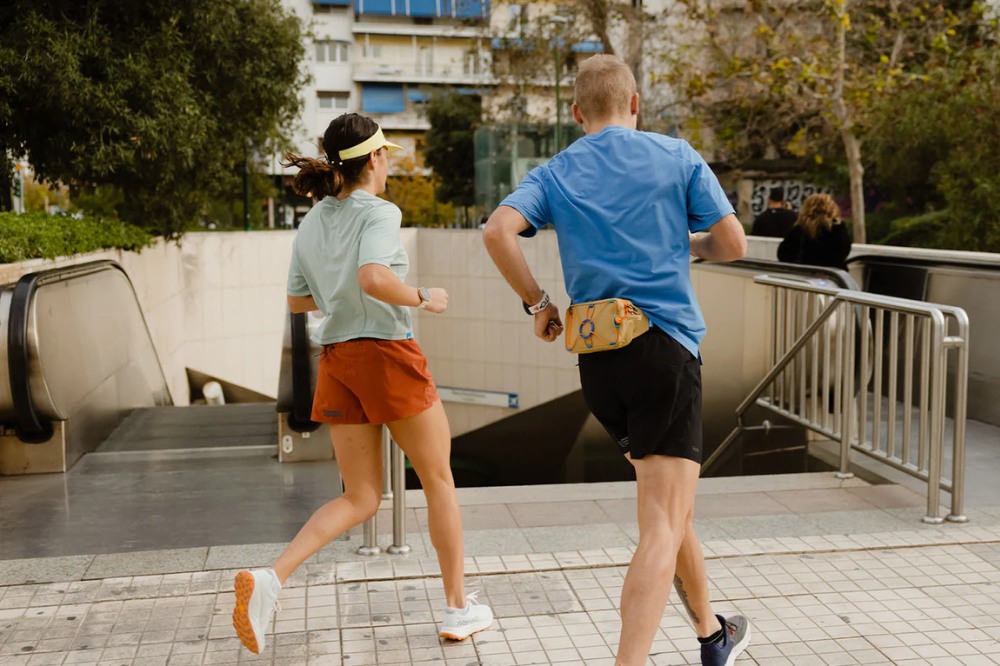
JANJI RELEASES THE CITY COLLECTION FOR SPRING/SUMMER 2024 Nothing speaks spring as much as the colorways in a Janji drop, and with the second release of the Spring/Summer Aegean Collection, they’ve tied together performance fabrics with sleek styling for a head-turning fit. As a follow-up to its all-new mountain collection, Janji’s City Collection features an array of warm weather apparel, with some updates to key staples as well as a handful of brand-new pieces. And in case you forgot– every season Janji gives back to clean water projects around the world, and this collection gives back to GWP Mediterranean. To percent of proceeds from all Janji purchases will go towards funding improvements to the irrigation system at Pankritio Stadium, home of the Ergotelis Football Club. Reducing the water needs of the stadium is anticipated to save the equivalent water consumption of 140 people per day. Check out what we’re loving from the collection. OUR PICKS FROM JANJI MEN AFO Middle Short Ultra ($78) When out for long endurance events, storage is key. This short features six pockets for gels, cards, phones, first aid, and whatever else you need. It even has an elastic key loop. Reflective detailing around the pockets adds extra visibility for an incredibly lightweight and quick-drying short. MEN Circa Daily Tee ($58) Ultra-soft with a four-way stretch, this tee is premium comfort wear for both on and off the run. It’s quick-drying and features an ergonomic fit, making it ideal for any activity. UNISEX AFO Hyperlight Visor ($38) Apparently it’s the year 2000 again, because visors are back. It makes sense– the visor is the ultimate in utility for keeping cool on summer days, and this one in particular is “ponytail-friendly, hyperlight, and crushes down for stashing while on the go.” The Velcro-free bungee toggle back is a nice upgrade from all those old school head hoops we used to wear. WOMEN Circa Daily Boxy Tee ($48) Made from the same soft cotton blend as the Circuit tee and AFO racerback, the Circa Boxy Tee gives the option of a more fashion-forward running top with a slightly cropped fit that hits right at the waist. Great for … pretty much everything. UNISEX Zephyrunner Wind Shell ($128) A multi-faceted jacket can be a lifesaver in changing conditions. The Zephyrunner features a hyperlight and durable nylon shell (water-resistant) that blocks the wind and provides solid breathability thanks the back panel venting. A bungee hem and hood toggle allow for extra adaptability and the whole thing stows into its own chest pocket in a small bundle. Also, unlike the Patagonia Houdini, it has hand pockets. Win. WOMEN 3” AFO Rhythm Short ($70) Combining Janji’s staple short (the AFO) with a more relaxed fit and modern design, the Rhythm short is made from an ultralight stretch woven fabric with a soft, high-rise flat waistband. Zippered rear pocket and front liner pocket provide storage options on the go. WOMEN Circa Daily Racerback Tank ($44) For everyday wear or running apparel, the Racerback Tank is made of an ultra-soft Pima cotton/recycled polyester blend with a four-way stretch. It’s the perfect top for everything summer.
Smartwool Winter 2024 Apparel Review: Midwinter Merino
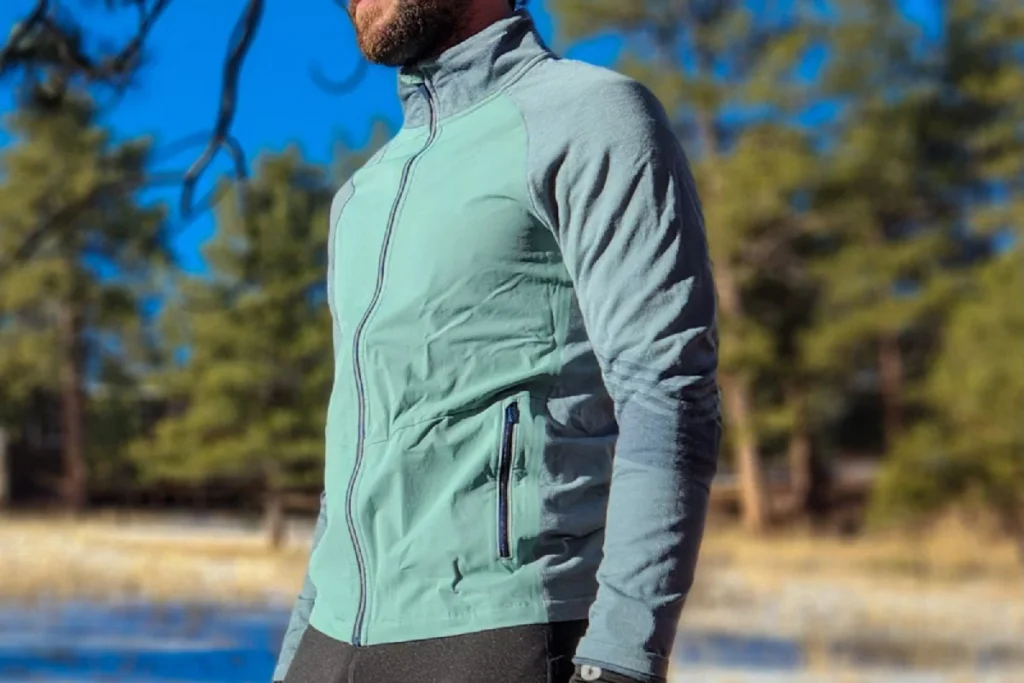
INTRODUCTION TO SMARTWOOL’S WINTER 2024 COLLECTION TAYLOR: Deep, dark, and cold midwinter is a hard season to plan for as a runner. We’re constantly playing the game of mix and match to ride the line of warmth and mobility. I’m not a fan of bulk at all… Even the thought of wearing a pair of pants while running is enough to get me to question the whole run in the first place. Smartwool, a company that has had my feet faithfully in their socks for over a decade, has answers for the rest of the body during the winter time, too. They tactfully integrate modern engineered performance fibers with the timeless dependability of merino wool. Check out these active winter running clothing options to get you through this frigid season. Intraknit Active Full Zip Jacket PRICE: $220 TAYLOR: There’s something about the idea of going three layers deep that I do not like. There are very few occasions for winter running that I go to such measures. With that being said, there are some days when a vest isn’t enough but a full jacket is too much. That’s where the Intraknit Active Full Zip Jacket comes into play. This jacket integrates the core protection that a vest brings with the sleeve coverage of a jacket. The unique part is that the chest and stomach are covered by a four-way stretch nylon outer to ward off elements. The arms and back panel are composed of blended merino wool for temperature regulation and moisture management, and Tencel Lyocell fibers (a sustainable fiber made from wood pulp) are blended in for further comfort. The same material continues into the higher neck collar, too. Specific mesh panels on the back and arms are also used for ventilation. I found this jacket to be “slim” fitting throughout. The waistline is higher than the average jacket, while the bottom of the jacket rests right at the waist rather than dipping further below your bottom. Smartwool’s Intraknit Active Full Zip Jacket fits nicely over a light long sleeve and even better over top a tighter fitting base layer. This will be a jacket I call on for those days that are cool with a little bit of a winter bite. ALEX: I agree with Taylor. I love the idea of a one-and-done layering system, or at least one that is more minimal in terms of the sheer volume. The Smartwool Active Full Zip Jacket is a versatile and functional piece that is comfortable and performs well. It’s constructed with a blend of merino wool and polyester, offering the natural benefits of merino wool, including moisture management, odor resistance, and temperature regulation, combined with the durability and quick-drying properties of polyester. The full zip allows for easy ventilation during workouts or as a layering piece. The two zippered side pockets conveniently provide secure storage for small essentials like keys, cards, or gels. I prefer a more relaxed fit than this jacket provides, as I found it to be quite slim. In terms of warmth, the jacket is warmer than necessary for most of my runs (I run really warm), making it better suited for lower output activities or as a mid-layer in colder conditions. Overall, the Smartwool Women’s Active Zip Jacket stands out as a well-designed piece of winter gear, offering a blend of natural and synthetic materials, thoughtful features, and a design that prioritizes both functionality and comfort. Active Fleece Tight PRICE: $110 TAYLOR: Even when it comes to bottoms, I’m a less is more kind of person. Temps need to be solidly in the 30s before I consider tights. Pants are typically out of the question. Although, that approach has left my future children’s fate uncertain on more than one occasion. For some reason, even through the agony, I still question what I’ll wear on truly cold days. Smartwool’s Active Fleece Tights have now solved my frigid run dilemma. These are thick, warm, and runnable! Read that again and rejoice! The Smartwool Active Fleece Tight combines the warmth of a light fleece-lined pant with the slim-fitting flexible benefits of tights. The overall fit is closer to traditional long underwear rather than running tights. I wore these for some single-digit runs but loved these most in the teens and was plenty warm through the 20’s. Both scenarios are fine temperature-wise unless there is a stout breeze. These tights are moderately breathable. Two thigh pockets and a rear zippered pocket are a nice final touch for the warmest tights on the block. ALEX: The Smartwool Run Legging is simple and to the point. They also have the smooth, buttery feel of Lululemon Align tights. Crafted with a blend of merino wool and elastane, these leggings offer exceptional moisture-wicking, odor resistance, and natural temperature regulation. The elastane provides a stretchy, flexible fit, allowing for unrestricted movement. The design and features are practical and have a zippered waistband pocket and two side drop-in pockets for stashing keys, a card, or a gel. The reflective seams are a great addition for the shorter winter days. These tights are so comfortable and transition seamlessly from runs and yoga to casual errands. Paired with a wind-blocking layer in more extreme temps, these will be a go-to all season long. Active Fleece Wind Glove PRICE: $50 TAYLOR: Using the same material as the Active Fleece Tight, the Smartwool Active Fleece Gloves add a wind-blocking layer on the backside of the hands to keep those little fingers from freezing up. Living in the Colorado mountain, there is never a shortage of wind. Even the idea of having a lightweight running glove with wind protection strikes a sentimental chord. They work, too. The Smartwool Active Fleece Gloves kick the pants off of other similar weight technical running gloves. I’ve now permanently replaced my Black Diamond and Tracksmith running gloves for the winter. ALEX: The Smartwool Active Fleece Glove is constructed with a blend of merino wool and synthetic materials to offer excellent thermal insulation, moisture-wicking properties, and natural odor resistance, making them ideal for winter
The Evolution of Sports Apparel: From Function to Fashion
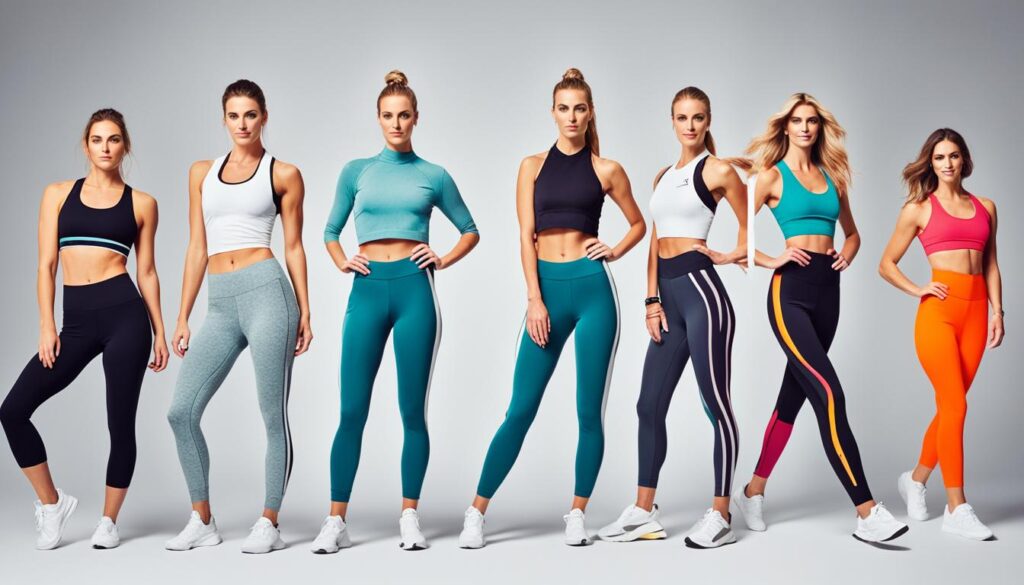
The world of sports apparel has undergone a remarkable transformation over the decades. What began as simple, functional clothing designed to enhance performance and comfort has evolved into a multifaceted industry that blends cutting-edge technology, fashion trends, and sustainability. In this post, we will explore the evolution of sports apparel, examining key milestones, technological advancements, and the impact of cultural shifts on the industry. 1. The Early Days of Sports Apparel 1.1 Historical Overview In the early 20th century, sports apparel was primarily utilitarian, focusing on functionality rather than style. Athletes wore basic garments made from cotton or wool, often designed for specific sports. For example: 1.2 The Birth of Specialized Gear As sports gained popularity, the need for specialized apparel emerged. The mid-20th century marked a turning point, with brands beginning to design clothing tailored for specific sports. Innovations included: 2. The Rise of Athleisure 2.1 Definition and Popularity By the late 20th century, the concept of athleisure began to take hold. Athleisure refers to clothing designed for both athletic activities and casual wear, blurring the lines between sportswear and everyday fashion. This trend was fueled by several factors: 2.2 Key Features of Athleisure Athleisure apparel is characterized by its blend of comfort, style, and versatility. Key features include: 3. Technological Advancements in Sports Apparel 3.1 Performance Enhancements As the sports industry has evolved, so too have the technologies integrated into sports apparel. Innovations have aimed to enhance performance, comfort, and safety. Some notable advancements include: 3.2 Smart Apparel The rise of wearable technology has brought about the development of smart apparel. These garments are equipped with sensors and connectivity features that track various performance metrics. Benefits include: 4. Sustainability in Sports Apparel 4.1 Growing Awareness As environmental concerns have gained prominence, the sports apparel industry has responded with a focus on sustainability. Consumers are increasingly seeking products that align with their values, leading to a demand for eco-friendly options. Key developments include: 4.2 Innovative Approaches Some companies are pushing the boundaries of sustainability by implementing innovative approaches, such as: 5. The Cultural Impact of Sports Apparel 5.1 Fashion Trends The intersection of sports and fashion has led to the emergence of new trends and styles in sports apparel. Designers are increasingly collaborating with sports brands, creating limited-edition collections that appeal to both athletes and fashion enthusiasts. This cultural shift has resulted in: 5.2 Community and Identity Sports apparel has also become a way for individuals to express their identity and connect with communities. Wearing team jerseys, branded gear, or athleisure wear allows athletes and fans to showcase their affiliations and commitment to a sport or lifestyle. 6. The Future of Sports Apparel 6.1 Continued Innovation As technology and consumer preferences evolve, the future of sports apparel is likely to see further innovations. Potential developments include: 6.2 Emphasis on Inclusivity The future of sports apparel will likely prioritize inclusivity, with brands expanding their size ranges and designing clothing that accommodates diverse body types and athletic needs. 6.3 Integrating Technology and Sustainability Brands will continue to explore the integration of technology and sustainable practices, creating high-performance apparel that minimizes environmental impact while enhancing athlete performance. 7. Conclusion The evolution of sports apparel has been marked by significant changes in technology, design, and cultural influence. From its functional origins to the rise of athleisure and the focus on sustainability, the industry has continually adapted to meet the needs and preferences of athletes and consumers alike. As we look to the future, the ongoing innovations in materials, technology, and inclusive design promise to shape the next generation of sports apparel, ensuring that it continues to enhance performance while reflecting the values of a new era. Whether you’re a professional athlete or a casual fitness enthusiast, understanding the evolution of sports apparel can help you make informed choices about the gear you wear and how it impacts your performance and lifestyle.
The Impact of Social Media on Sports Apparel: Trends, Marketing, and Consumer Behavior

In the digital age, social media has transformed the way brands communicate with consumers and how athletes interact with their audiences. Sports apparel is no exception to this trend, as platforms like Instagram, TikTok, and Twitter have become essential tools for marketing, branding, and community engagement. This post will explore the profound impact of social media on the sports apparel industry, focusing on trends, marketing strategies, and consumer behavior. 1. The Rise of Influencer Culture 1.1 Defining Influencer Marketing Influencer marketing has emerged as a powerful strategy for brands to reach target audiences. Influencers—individuals with significant followings on social media—can sway consumer opinions and drive purchasing decisions. This phenomenon is particularly prevalent in the sports apparel sector, where influencers often showcase their favorite brands and styles. 1.2 Types of Influencers Different categories of influencers cater to various audience segments: 2. Social Media as a Marketing Platform 2.1 Direct Engagement with Consumers Social media platforms allow brands to engage directly with consumers, fostering relationships and building brand loyalty. Key strategies include: 2.2 Visual Storytelling Visual content is at the heart of social media engagement. Brands utilize high-quality images and videos to tell compelling stories about their products. Effective storytelling can include: 3. The Influence of Trends on Consumer Behavior 3.1 Trend Adoption Social media has accelerated the pace at which trends emerge and spread. In the realm of sports apparel, trends can quickly gain popularity through viral content and influencer endorsements. Key trends include: 3.2 FOMO (Fear of Missing Out) Social media creates a sense of urgency around new product launches and limited-edition collections. Athletes and influencers showcasing exclusive items can lead to FOMO among their followers, encouraging immediate purchases. 4. Building Brand Loyalty Through Community Engagement 4.1 Creating a Sense of Belonging Social media platforms facilitate the creation of communities around brands. Sports apparel companies can foster a sense of belonging by: 4.2 Brand Ambassadors Many brands cultivate a network of brand ambassadors—loyal customers who advocate for the brand on social media. These ambassadors can amplify marketing efforts and enhance credibility through authentic testimonials. 5. The Role of Reviews and Feedback 5.1 Importance of Reviews Consumers increasingly rely on online reviews and feedback before making purchasing decisions. Social media serves as a platform for: 5.2 Transparency and Authenticity In a world saturated with marketing messages, consumers value transparency and authenticity. Brands that openly share information about their sourcing, manufacturing processes, and community initiatives can enhance their reputation and appeal. 6. Challenges and Considerations 6.1 Navigating Negative Feedback While social media offers opportunities for engagement, it also presents challenges. Brands must be prepared to navigate negative feedback and public criticism. Key strategies include: 6.2 Balancing Marketing and Authenticity As brands leverage influencer marketing, they must strike a balance between promotional content and authentic engagement. Overly promotional posts can alienate audiences, while authentic content can foster trust and loyalty. 7. The Future of Social Media in Sports Apparel 7.1 Continued Evolution The role of social media in the sports apparel industry will continue to evolve, shaped by emerging technologies and changing consumer preferences. Potential developments include: 7.2 Emphasis on Sustainability As sustainability becomes a priority for consumers, sports apparel brands will increasingly leverage social media to communicate their eco-friendly practices and initiatives. Building a narrative around sustainability can attract environmentally conscious consumers and differentiate brands in a competitive market. 8. Conclusion The impact of social media on the sports apparel industry is profound, influencing marketing strategies, consumer behavior, and brand loyalty. As platforms continue to evolve, brands must adapt to engage with their audiences authentically and effectively. By leveraging the power of influencer culture, visual storytelling, and community engagement, sports apparel companies can build lasting relationships with consumers and navigate the ever-changing landscape of digital marketing. As consumers become more discerning and connected, brands that prioritize transparency, sustainability, and meaningful engagement will thrive in the competitive world of sports apparel. The future promises exciting possibilities, with social media playing a central role in shaping the industry and enhancing the athlete and consumer experience alike.
What’s New From Roark Run Amok in Spring ’24
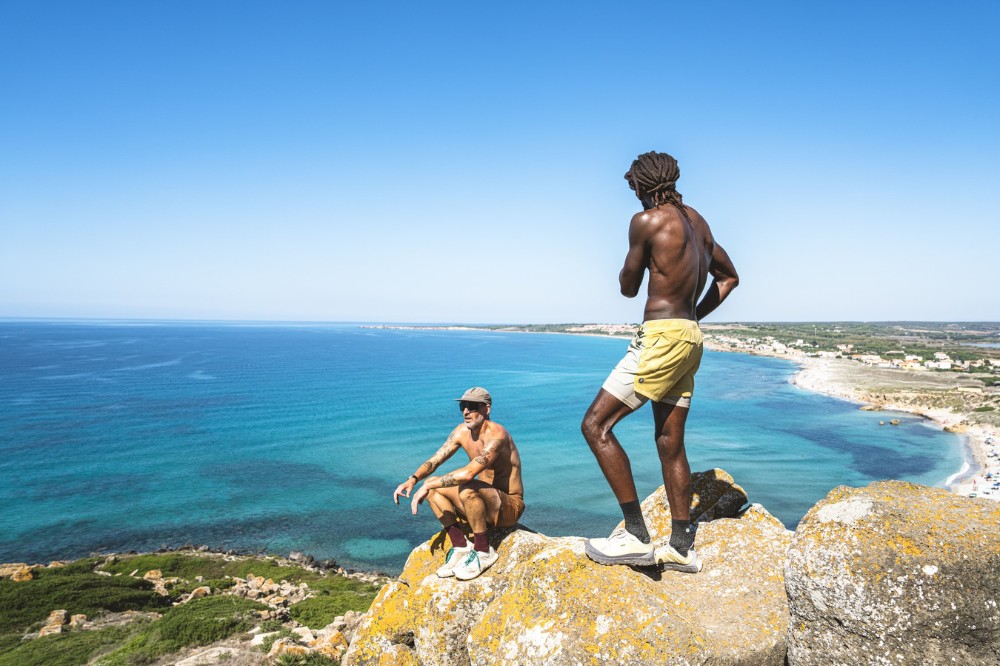
ROARK RUN AMOK // SPRING 2024 The clocks have finally moved forward (evening runners, rejoice), and nothing feels more like the return of the sun than the vibes of Roark Run Amok. Founded in SoCal, they embrace the culture of the outdoors and running in a casual and laid-back aesthetic that perfectly complements the go-forth-and-explore type of runner. We’ve been a huge fan of theirs for years as they’ve slowly but surely dialed in their run line. The point is– you don’t have to sacrifice performance for a great-looking short or shirt. Do your best with both and enjoy the ride. Here’s what Roark Run Amok is cooking over the campfire in Spring 2024. OUR FAVORITE ROARK RUN AMOK GEAR FOR SPRING SHORTS Baja Shorts 5” ($66) Truth be told, these are my personal favorites from Roark Run Amok. I wear the forest green short all the time, while the newest black version is a bit more understated. I very much appreciate the waterproof rear pocket and the incredibly light fit and flexibility of the short. It’s one of the best shorts out there and I can’t recommend it enough. TRAIL RUNNING Bless Up Trail Shirt ($89) Truthfully, we’ve never tried this shirt because whenever they release a new design it almost always sells out immediately. There’s a good reason it does– the shirt looks great, it’s built with a microperforated 4-way stretch, and it’s secured with rubber buttons. Versatility is key in any piece of great apparel, and the Bless Up trail shirt offers that quality in spades. ROAD OR TRAIL RUNNING Bommer 2.0 Shorts 7″ ($89) The best of both worlds, the Bommer features a full compression liner with a lower thigh cell phone pocket, in addition to a bunch of other pockets (including side slashes with magnetic closures). The lightweight 4-way stretch adapts to your movement and the whole thing is moisture-wicking and antimicrobial. Basically, this short rules, especially in a full OG camo colorway. LIFESTYLE/RUNNING Mathis Core Tee ($49) We’ve worn several versions of this shirt over the past few years, and continue to do so, because it’s one of the best tees out there. Constructed from a lightweight DriRelease jersey knit, it maintains a balance between performance apparel and traditional cotton. As such, it dries 4x faster than cotton, but retains that incredibly soft and worn-in feel that you get from your favorite tee. It also fits true to size, which is sometimes hard to nail down with t-shirts. RUNNING/LIFESTYLE Serrano 2.0 Shorts 8” ($69) I’m not a long shorts type of guy. But many of you are, and too often, you either have to wear basketball shorts or really awful looking run shorts. The Serrano 2.0 solves all of that. To quote Roark: “Designed with an athletic and functional intent, the short is as ready for a trail run as it is for a coffee run.” With a DWR water-resistant finish, two hand pockets and zippered rear and stash pockets, this short is read for everything this summer.
Diadora Gara Carbon Review: Italian Stallion, For Real

INTRODUCTION TO THE DIADORA GARA CARBON ROBBE: Diadora was born in Italia, and continues to run the family-owned business at the foot of the Dolomites, home to some of the world’s most iconic designers. It should be no surprise that at their core lies an attention to detail and a commitment to design and innovation at an intentional pace. And while almost every brand uses production facilities in China or southeast Asia for their footwear production, in recent years, Diadora has moved some of its product line back to its Italian factory, using its own Italian craftsmanship from workers who have been with the company for decades. (We’re specifically talking about the Diadora Atomo v7000, one of our favorite convertible running/lifestyle shoes, which is on my feet as I type out this review.) That said, the Diadora Gara Carbon is not one of those shoes. It is made in China. But so is the Nike Alphafly 3. And Saucony Endorphin Pro 4. And pretty much every other race day shoe. Point being, the “Made in Italy” thing is great from a storytelling aspect, but in 2024, you’re going to get a pretty damn good product wherever it’s made. Race-style laces Matryx upper Speaking of 2024, at this point in time we’re a good half-decade into the super shoe boom, and just about every brand that has a balance sheet has a carbon-plated race day shoe. Hell, Austin-based Atreyu has about two employees and an office dog as their full-time staff, and even they have a race day shoe (The Race Model). And yet somehow, despite the fact that they live in the land of Lambos, Diadora has never had a real race day shoe. Which is why we were skeptical about the Gara Carbon when we first saw it at The Running Event this past December. Don’t get me wrong– once we held it hand, we were quite interested. The shoe is very light, coming in at over an ounce lighter than competitors like the Saucony Endorphin Pro 4. It has a legit Pebax SCF midsole (what they call Anima PBX) and its carbon fiber plate was sourced from the same factory used by Ducati motorcycles. A premium Matryx upper (known for its durability and breathability properties) wraps the foot, while tooth-style race laces finish off the package. Lastly, of course– it looks incredible. That’s a lot of good things in one race day package. But when it’s thrown into fifth gear, how does it handle? Let’s find out. CARYN: Before I ever considered running as an activity folks did for fun, I was purely a ball sports athlete. I was pretty quick, but I was only running if some kind of game was involved. If someone had told 13-year old me one day I’d be running 70 miles a week for fun… well, let’s just say there would have been a pretty prolific eye roll. I was also, by definition, a pool rat throughout my summers growing up – dropped off at 8 am and picked up after dinner. Every day was tennis camp and two swim team practices with trips to the snack bar for snowballs, Fun-Dip, and grilled cheese peppered in. I’d imagine right about now you’re wondering why any of this is relevant to the Diadora Gara Carbon, the shoe we’re all here to chat about today. If you must know, It was during tennis camp that I was first exposed to the immaculate vibes of DIadora. All of the coolest, nicest camp instructors had on Diadora tennis shoes. The vintage, classic look and beautiful color combinations stood out from anywhere on the court. While I never quite reached Borg status (and therefore, never needed the special shoes), I’m thrilled to be able to test a bit of Diadora in the running space with their first plated racing shoe, the Gara Carbon. SAM: I’m about to nerd out so please bear with me. Gaara is one of my favorite characters in all of television, let alone the Naruto series. He starts off as a villain during the Chunin exams, a cynical, powerful, yet misunderstood and insecure ninja. After being defeated by Naruto he begins one of the best character transformations I know of. In Naruto Shippuden he is even more powerful and has lost his cynical and insecure nature to embrace his leadership potential and the value of friendship While the Diadora Gara Carbon is related to Naruto’s character through name only, (Gara roughly translates to race or competition in Italian), the path of Diadora’s running shoes feels similar to the Jinchuriki of the Hidden Village of the Sand. Mainly known in the States for tennis, cycling, or football boots (soccer cleats), Diadora has made a concerted push into the US running shoe market over the last half decade. So far it has felt misunderstood and misrepresented, with good-looking and reliable shoes, but nothing to speak of as far as high performance footwear. I am pleased to say that has changed with the Gara Carbon. Let’s talk about why. WHAT WE LIKE ABOUT THE DIADORA GARA CARBON ROBBE: I already told you how good it looks, and everyone else who’s seen it tells us how good it looks. The design is among the best for race day shoes. If you have eyes with adequate vision, you know what we’re talking about. If you’re blind, just trust us on this one. I think this is the first time I’ve seen a Matryx upper used on a race day shoe, though we’ve seen their premium materials used in a variety of shoes on the trail side, namely the Hoka Tecton X 2, Hoka EVO Speedgoat (R.I.P.), and the Nnormal Kjerag. The difference in Matryx uppers is that they’re super light and ultra breathable. In contrast to fully coated textiles that are typically used in uppers, each yarn in a Matryx upper is coated individually. In this way, your feet breathe and stay dry while perspiration drains away. It’s also highly abrasion resistant without sacrificing comfort. Simply put, this
Our Patagonia Running Picks for Spring 2024
PATAGONIA SPRING 2024 Patagonia is synonymous with sustainability and quality in the outdoor industry. From their 1% for the Planet pledge to their Fair Trade Certified manufacturing facilities, they’re always on the cutting edge of ethical outdoor apparel. They stand by their products and offer gear repairs and a Worn Wear store for gently used items. You get it– they talk the talk and walk the walk. While Patagonia is the quintessential gorpcore vibe, campy through and through, runners should know that their performance run gear is just as solid as their outdoor goods. So we’re here to walk you through our favorite Patagonia pieces for running. From shorts to joggers to hydration vests and duffel bags, this is gear that will stay with you for many miles to come. OUR FAVORITE PATAGONIA RUNNING GEAR FOR SPRING OUTERWEAR Houdini Stash 1/2 Zip Pullover ($139) Did the Houdini just get an upgrade? We think it did. The full-zip Houdini is an icon in the world of trail running, so it’s nice to see the all-new half-zip pullover option. Made of an ultra lightweight 100% recycled nylon ripstop shell with a DWR finish, the jacket also features two side pockets (at last) and a zippered chest pocket. Airflow is provided by overlapping slits around the jacket. TRAIL RUNNING Trailfarer Shorts ($59) Liner-less (and pocketless, except for a back pocket), these high-rise shorts are made from lightweight fabric that breathes, wicks moisture and stretches for all-day comfort. For daily runs, hikes, or just general wear, they’re performance-driven and quick-drying and perfect for summer runs. ROAD OR TRAIL RUNNING 5” Strider Pro Shorts ($85) Light, breathable, fast-drying running shorts with ample storage for longer missions. Super comfortable and the bonded seams ensure a no-chafe experience. OUTERWEAR Storm Racer Jacket ($299) Made for the toughest conditions, this featherweight shell shell is made of 100% recycled nylon ripstop face fabric that keeps you dry. This fully recycled, 3-layer, waterproof/breathable performance shell stuffs into its own chest pocket for quick deployment when high-mountain weather goes south. WARM WEATHER GEAR Capilene Cool Lightweight Tee ($45) The next best thing to Merino wool, Capilene will indeed keep you cool. Patagonia’s lightest-weight technical top, the shirt wicks moisture and dries fast for a variety of activities over a wide range of temperatures. Made from 52-100% recycled polyester with HeiQ Mint odor control in a Fair Trade Certified factory. TRAIL RUNNING Slope Runner Endurance Vest ($159) Everything you need and nothing that you don’t, this vest features a simple no-bounce design, made of 100% recycled polyester ripstop. It comes with two HydroFlask soft flasks and just the right amount of pockets for gel/phone storage, as well as a front and back bungee system for trekking poles. Ultralight and breathable, this is the perfect running vest for warmer weather. We enjoyed the first version of this vest, but the 2024 version is improved in all the right places. FOOTWEAR Wool Anklet Socks ($22) When you just need comfort and moisture-wicking and odor-resistant performance on the trails, go with merino wool (58% of the material). All virgin wool Patagonia sources is certified to the Responsible Wool Standard (RWS) from farm to fiber to help ensure protection both for the animals that supply it and the land they graze. BOTTOMS Terrebone Joggers ($99) While these aren’t new to Patagonia, we do have some new colorways. These slim cut joggers are made of 100% recycled polyester stretch ripstop. Super comfortable, and two hand pockets and a right rear pocket take care of storage issues. A versatile pant for travel, activity, and relaxing. TRAVEL Black Hole Duffel 55L ($169) While there’s four sizes of this bag, we prefer the 40L, perfect as a weekender bag, ultra drop bag, or beach bag. Really anything you can throw about it. The new design for 2024 focuses on impact reduction with a 100% recycled body fabric, lining and webbing, and now a pioneering recycled TPU-film laminate with a sleek matte finish. Pro tip: Pair it with the Black Hole packing cubes for ultimate organization and packing adaptability.
The Role of Sports Apparel in Enhancing Athletic Performance: A Comprehensive Analysis
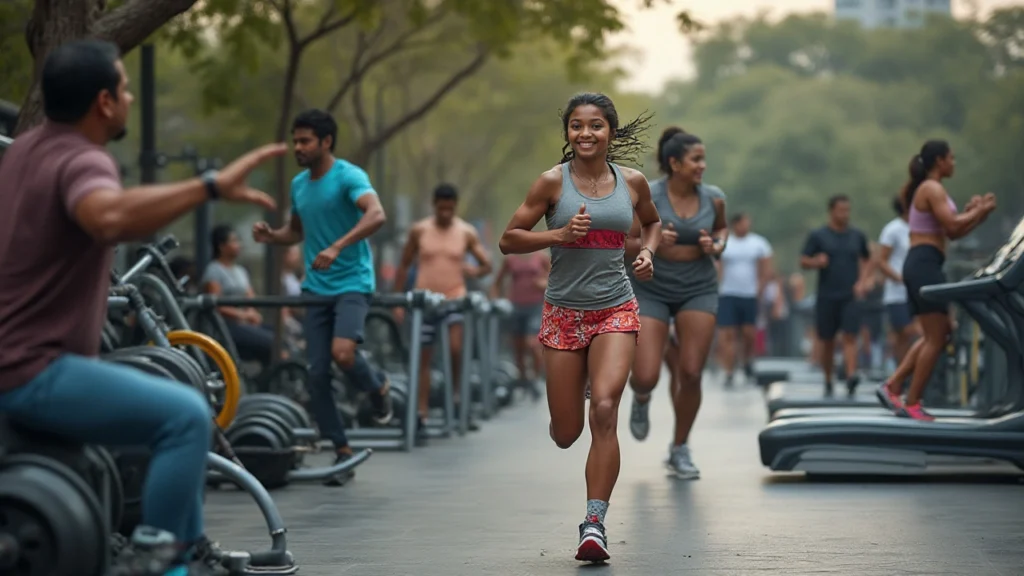
In the competitive world of sports, athletes constantly seek ways to improve their performance, whether through rigorous training, advanced nutrition, or cutting-edge technology. One crucial element that often gets overlooked is sports apparel. The right clothing can significantly affect an athlete’s performance, comfort, and overall experience. In this post, we will explore how sports apparel enhances athletic performance, the technologies behind modern fabrics, and tips for selecting the best gear. 1. The Importance of Fit and Comfort 1.1 Enhanced Mobility The first and foremost factor in sports apparel is fit. Properly fitted clothing allows athletes to move freely, reducing the risk of injury. For instance: 1.2 Moisture Management Sweat management is crucial during physical activity. High-quality sports apparel is designed to wick moisture away from the skin, keeping athletes dry and comfortable. Key features include: 2. Temperature Regulation 2.1 The Role of Insulation In cold weather, athletes need to maintain body heat without becoming overly bulky. Insulating fabrics are designed to trap heat while remaining lightweight. Important aspects include: 2.2 Cooling Technologies Conversely, in hot weather, athletes require apparel that promotes cooling. Technologies that enhance ventilation include: 3. Reducing Friction and Chafing 3.1 The Importance of Seam Construction Chafing can be a significant concern, particularly during long-duration activities. High-quality sports apparel often features: 3.2 Specialized Areas Certain areas of sports apparel may require additional consideration to prevent irritation: 4. Psychological Boost from Apparel 4.1 Confidence and Performance The psychological aspect of sports apparel cannot be underestimated. Wearing high-quality, stylish gear can boost an athlete’s confidence, leading to improved performance. Key points include: 4.2 Rituals and Routines Many athletes develop pre-performance rituals that include specific clothing choices. These routines can provide a psychological anchor, helping athletes feel prepared and focused. Examples include: 5. The Role of Technology in Sports Apparel 5.1 Performance Monitoring Wearable technology has become increasingly integrated into sports apparel, providing athletes with real-time feedback on their performance. This includes: 5.2 Enhanced Functionality Technological advancements have led to the development of specialized features in sports apparel, including: 6. Choosing the Right Sports Apparel 6.1 Understanding Your Sport Different sports have unique requirements, and selecting apparel tailored to the specific activity can enhance performance. Considerations include: 6.2 Prioritizing Fit and Comfort When choosing sports apparel, prioritize fit and comfort. Key factors to consider include: 6.3 Investing in Quality While it may be tempting to opt for cheaper options, investing in high-quality sports apparel can pay off in the long run. Advantages include: 7. The Future of Sports Apparel 7.1 Innovations on the Horizon The sports apparel industry continues to evolve, with exciting innovations on the horizon. Potential developments include: 7.2 Smart Technology Integration The future of sports apparel will likely see increased integration of smart technology, enabling athletes to monitor their performance and health more effectively. Innovations may include: 8. Conclusion The role of sports apparel in enhancing athletic performance is significant, impacting everything from comfort and mobility to psychological factors like confidence and focus. By prioritizing fit, comfort, and technological advancements, athletes can ensure they are equipped with the best gear to perform at their highest level. Understanding the importance of specialized apparel for different sports, as well as the benefits of investing in quality gear, can help athletes maximize their potential. As the industry continues to evolve, staying informed about innovations in materials and technology will be crucial for athletes looking to enhance their performance and overall experience. With the right sports apparel, athletes can not only improve their physical performance but also foster a positive mindset that drives them toward their goals. Embrace the power of performance-enhancing clothing, and take your athletic pursuits to new heights!
The Globalization of Sports Apparel: Trends, Markets, and Cultural Influences
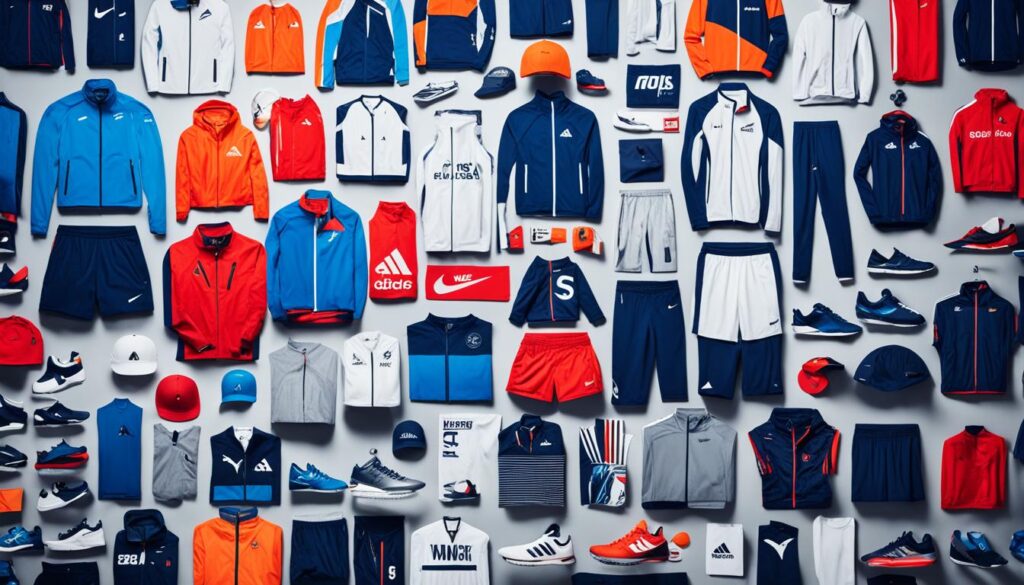
The sports apparel industry has experienced significant growth and transformation in recent years, driven by globalization. As borders blur and cultures intertwine, the influence of global trends and markets has reshaped how sportswear is designed, marketed, and consumed. This post will explore the globalization of sports apparel, examining key trends, market dynamics, and cultural influences that are shaping the industry today. 1. The Expansion of Global Markets 1.1 Emerging Economies One of the most significant trends in the sports apparel industry is the rise of emerging economies. Countries such as China, India, and Brazil are experiencing a burgeoning middle class with disposable income, leading to increased demand for sports apparel. Key factors include: 1.2 Market Diversification As brands expand into new markets, they are also diversifying their product offerings to cater to local tastes and preferences. This diversification can include: 2. The Influence of Global Trends 2.1 Athleisure Revolution The athleisure trend has emerged as a dominant force in the global sports apparel market. Athleisure combines athletic wear with casual fashion, allowing consumers to wear sports apparel in various settings. This trend is characterized by: 2.2 Sustainability Sustainability has become a global concern, influencing consumer purchasing decisions across markets. The sports apparel industry is responding by prioritizing sustainable practices, including: 3. Cultural Influences on Sports Apparel 3.1 Streetwear and Urban Culture The rise of streetwear has significantly influenced the design and marketing of sports apparel. This cultural movement is characterized by: 3.2 Global Sports Events Major global sporting events, such as the Olympics and the World Cup, have a profound impact on sports apparel trends. These events serve as platforms for brands to showcase their products and connect with consumers. Key aspects include: 4. Marketing Strategies in a Global Context 4.1 Social Media and Digital Marketing Social media has revolutionized how brands market their products on a global scale. The ability to reach diverse audiences through platforms like Instagram, TikTok, and Facebook has transformed marketing strategies: 4.2 E-Commerce Growth The rise of e-commerce has made sports apparel more accessible to consumers worldwide. Key factors include: 5. Challenges and Considerations 5.1 Cultural Sensitivity As brands expand into new markets, they must navigate cultural sensitivities to avoid missteps. Understanding local customs and values is crucial to ensure that marketing campaigns resonate positively with consumers. Examples include: 5.2 Competition and Saturation With the globalization of sports apparel, competition has intensified. Brands must differentiate themselves in a crowded market by: 6. The Future of Global Sports Apparel 6.1 Technological Advancements The future of sports apparel will be shaped by technological advancements that enhance both performance and consumer experience. Potential developments include: 6.2 Continued Emphasis on Sustainability As consumer awareness of environmental issues grows, the demand for sustainable sports apparel will increase. Brands that prioritize eco-friendly practices will likely gain a competitive edge. Key considerations include: 7. Conclusion The globalization of sports apparel has transformed the industry, creating new opportunities and challenges for brands and consumers alike. As markets expand and cultural influences intertwine, the need for adaptability and innovation becomes paramount. By embracing global trends, prioritizing sustainability, and navigating cultural nuances, sports apparel brands can thrive in this dynamic landscape. As consumers increasingly seek products that reflect their values and lifestyles, the future of sports apparel promises to be exciting and diverse. From the athleisure revolution to the rise of smart technology, the industry will continue to evolve, shaping how athletes and fitness enthusiasts engage with sportswear worldwide. Embracing this globalization journey will not only enhance brand appeal but also foster a deeper connection with consumers across the globe.
The Evolution of Sports Apparel: From Practicality to Performance and Fashion
The journey of sports apparel has been one of constant innovation and transformation. What began as simple garments designed for functionality has evolved into a sophisticated industry that blends performance, technology, and style. This post will explore the evolution of sports apparel, highlighting key developments, technological advancements, and the interplay between fashion and functionality. 1. The Early Days: Function Over Fashion 1.1 Historical Context The origins of sports apparel can be traced back to the late 19th and early 20th centuries when specific clothing was developed for various sports. In these early days, functionality was paramount. Key characteristics included: 1.2 The Birth of Specialization As sports became more organized and competitive, the need for specialized apparel emerged. Different sports began to require specific designs to enhance performance. Innovations included: 2. The Rise of Performance-Enhancing Apparel 2.1 Technological Advancements The late 20th century marked a turning point in the evolution of sports apparel, driven by technological advancements. Key developments included: 2.2 Compression Technology The rise of compression apparel in the early 2000s further transformed sportswear. Compression garments are designed to fit tightly against the body, offering several benefits: 3. The Athleisure Trend 3.1 The Blending of Fashion and Function In the last decade, the athleisure trend has taken the sports apparel industry by storm. Athleisure merges athletic wear with casual fashion, allowing consumers to transition seamlessly from workouts to everyday activities. Key characteristics include: 3.2 The Role of Influencers and Social Media The rise of social media and influencer culture has played a significant role in popularizing athleisure. Influencers showcase stylish ways to wear sports apparel, driving consumer interest and demand. This phenomenon has led to: 4. Sustainability in Sports Apparel 4.1 Growing Awareness As environmental concerns grow, the sports apparel industry is increasingly focused on sustainability. Consumers are more conscious of the environmental impact of their purchases, prompting brands to adopt eco-friendly practices. Key developments include: 4.2 Innovations in Sustainability Innovative approaches to sustainability are emerging in the sports apparel industry: 5. The Future of Sports Apparel 5.1 Smart Technology Integration The future of sports apparel promises even more exciting innovations. The integration of smart technology into athletic wear is on the rise, with potential developments including: 5.2 Inclusivity and Diversity The future of sports apparel will likely prioritize inclusivity, with brands expanding their size ranges and designing clothing that accommodates diverse body types and athletic needs. This shift is crucial for fostering a more inclusive sports culture. 5.3 Enhanced Performance and Comfort As technology and consumer preferences evolve, the focus on creating high-performance apparel that enhances comfort will remain paramount. Innovations may include: 6. Conclusion The evolution of sports apparel has been marked by significant changes in technology, design, and cultural influence. From its practical origins to the rise of athleisure and the focus on sustainability, the industry has continually adapted to meet the needs and preferences of athletes and consumers alike. As we look to the future, the ongoing innovations in materials, technology, and inclusive design promise to shape the next generation of sports apparel, ensuring that it continues to enhance performance while reflecting the values of a new era. Whether you’re a professional athlete or a casual fitness enthusiast, understanding the evolution of sports apparel can help you make informed choices about the gear you wear and how it impacts your performance and lifestyle. Embracing this evolution not only enhances individual athletic pursuits but also contributes to a broader movement toward sustainability and inclusivity in the world of sports.